Quick list
| Product | Best for | Price range | |
|---|---|---|---|
| Kirkland Signature Minoxidil 5% Solution (men) | Strongest evidence, lowest price per month | Mid-range for 6 months | Buy on Amazon |
| Kirkland Signature Minoxidil 5% Foam (men) | Men who find the liquid greasy or itchy | Mid-range for 6 months | Buy on Amazon |
| Women’s Rogaine 5% Minoxidil Foam | Female pattern thinning, once a day | Mid-range for 2 months | Buy on Amazon |
| Nizoral Anti-Dandruff Shampoo (1% ketoconazole) | Add-on for an itchy, flaky or oily scalp | Budget | Buy on Amazon |
| Mielle Rosemary Mint Scalp & Hair Oil | A gentle, natural-leaning option | Budget | Buy on Amazon |
| Alpecin Caffeine Shampoo C1 | Easy add-on to your routine | Budget | Buy on Amazon |
| HEETA Scalp Massager | The cheapest habit with some data | Budget | Buy on Amazon |
| iRestore Essential Laser Cap | Splurge: drug-free, FDA-cleared device | Splurge (watch for sales) | Buy on Amazon |
First: figure out what kind of hair loss you have
Not all hair loss is the same, and the right treatment depends on the cause. The most common types are:- Androgenetic alopecia (pattern hair loss). Gradual thinning at the crown, part line or temples, often running in families. It affects men and women and is what most of the products below are for.
- Telogen effluvium. Sudden, diffuse shedding two to three months after a stressor like illness (including COVID-19), childbirth, surgery, crash dieting or a new medication. It usually recovers on its own once the trigger is gone.
- Deficiency-related shedding. Low iron (ferritin), low vitamin D, and thyroid problems are linked with hair loss. A simple blood test from your doctor can check these, and it is far more useful than guessing with supplements.
- Alopecia areata and scarring alopecias. Round bald patches, or loss with redness, scaling or pain, need a dermatologist. Over-the-counter products won’t fix these.
What the research says, ranked
1. Minoxidil: the gold standard you can buy without a prescription
Evidence: Strong (multiple large randomized, placebo-controlled trials). FDA approved: Yes, for pattern hair loss in men and women. Minoxidil is the most studied over-the-counter hair regrowth treatment. In a 48-week randomized trial of 393 men (Olsen et al., Journal of the American Academy of Dermatology, 2002), 5% minoxidil regrew about 45% more hair than the 2% version, and both beat placebo. In women, a 2011 randomized trial (Blume-Peytavi et al., JAAD) found once-daily 5% minoxidil foam worked as well as twice-daily 2% solution, with less itching and flaking. What to expect: minoxidil works best at the crown and for early thinning. Many people notice extra shedding in the first 2 to 8 weeks (a sign old hairs are being pushed out by new growth), visible results take 3 to 6 months, and you have to keep using it: if you stop, the regrown hair is usually lost within a few months. Side effects can include scalp itching or irritation (more common with the liquid, which contains propylene glycol) and, rarely, unwanted facial hair. Don’t use it if you are pregnant or breastfeeding, and keep it away from pets, especially cats, since minoxidil is toxic to them. Budget tip: the active ingredient is identical in generic and brand-name versions. Store brands like Kirkland cost a fraction of the price per month.Kirkland Signature Minoxidil 5% Solution (men)
Best for: Strongest evidence, lowest price per month · Price range: Mid-range for a 6-month supply The same 5% minoxidil studied in the trials, at roughly the cost of a couple of coffees per month. Apply 1 mL to a dry scalp twice a day with the dropper.Keep in mind: The liquid takes longer to dry and can make the scalp itchy or flaky, and results only last while you keep using it.
Check price on AmazonKirkland Signature Minoxidil 5% Foam (men)
Best for: Men who find the liquid greasy or itchy · Price range: Mid-range for a 6-month supply The foam has no propylene glycol, so it tends to be less irritating and dries faster, which makes it easier to stick with. It’s also the format many women use (once daily).Keep in mind: Minoxidil only works while you keep using it, and extra shedding in the first few weeks is common before things improve.
Check price on AmazonWomen’s Rogaine 5% Minoxidil Foam
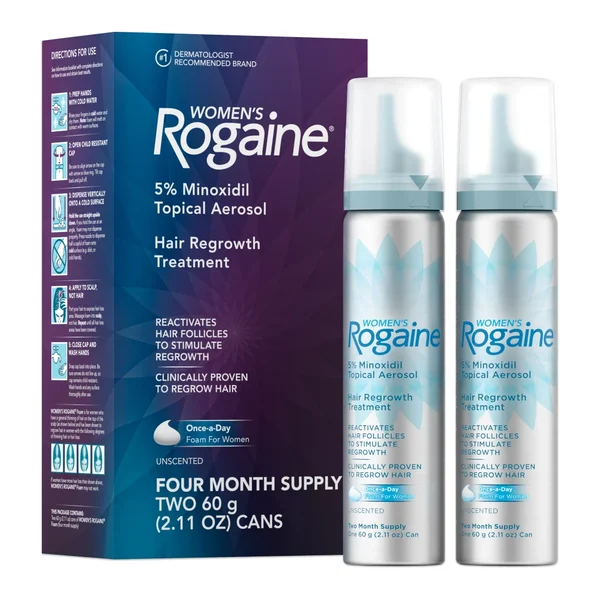
Keep in mind: It costs more than men’s 5% foam with the same active ingredient, and results only last while you keep using it.
Check price on Amazon2. Ketoconazole shampoo: a smart, cheap add-on
Evidence: Moderate (small studies, consistent results). FDA approved for hair loss: No (approved for dandruff). Ketoconazole is an antifungal used for dandruff, but it may also help hair. In a 1998 study in men with pattern hair loss (Piérard-Franchimont et al., Dermatology), 2% ketoconazole shampoo used two to four times a week improved hair density and the share of actively growing hairs about as much as 2% minoxidil. Researchers think it works by calming scalp inflammation and possibly by a mild anti-androgen effect. The study was small, so treat ketoconazole as a helper alongside minoxidil, not a replacement. The over-the-counter version is 1%; the 2% strength used in most studies needs a prescription in the US. Either way, leave the lather on for 3 to 5 minutes before rinsing, and use it two or three times a week.Nizoral Anti-Dandruff Shampoo (1% ketoconazole)
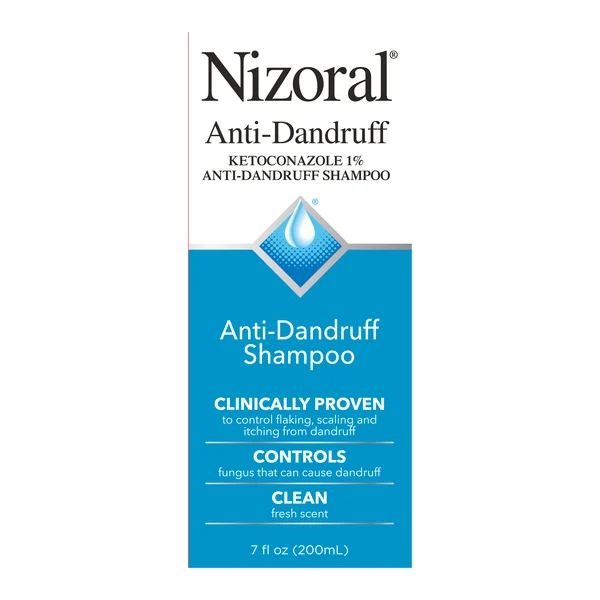
Keep in mind: It can leave hair feeling dry, and the hair-growth evidence is limited; it’s mainly a dandruff shampoo.
Check price on Amazon3. Microneedling: promising, but best done carefully
Evidence: Moderate (randomized trials, mostly combined with minoxidil). Microneedling creates tiny controlled punctures in the scalp, which may trigger growth signals and help topical treatments absorb. In a randomized, evaluator-blinded trial of 100 men (Dhurat et al., International Journal of Trichology, 2013), weekly microneedling plus 5% minoxidil grew significantly more hair after 12 weeks than minoxidil alone. Our take: the study used a 1.5 mm roller applied by clinicians. At home, the risks are real: infection, scarring and irritation if the tool isn’t sterile or you press too hard, and you should never apply minoxidil right after needling because it absorbs much more. If you want to try it, ask a dermatologist to do it or to show you a safe at-home routine. That’s why we aren’t recommending a specific roller here.4. Rosemary oil: the viral favorite, with one real study
Evidence: Limited (one randomized trial, no placebo group). Rosemary oil’s fame comes from a 2015 trial of 100 men (Panahi et al., Skinmed) that compared rosemary oil to 2% minoxidil for six months. Both groups saw a similar increase in hair count at six months, and the rosemary group reported less scalp itching. That sounds great, but the study had no placebo group, it compared rosemary to the weaker 2% minoxidil (not 5%), and it hasn’t been repeated in a large trial. Our take: rosemary oil is cheap and pleasant, so it’s a reasonable thing to add if you enjoy it, or to try if you can’t tolerate minoxidil. Just don’t expect it to outperform the proven options. Always dilute pure essential oil in a carrier oil, and patch test first.Mielle Rosemary Mint Scalp & Hair Strengthening Oil
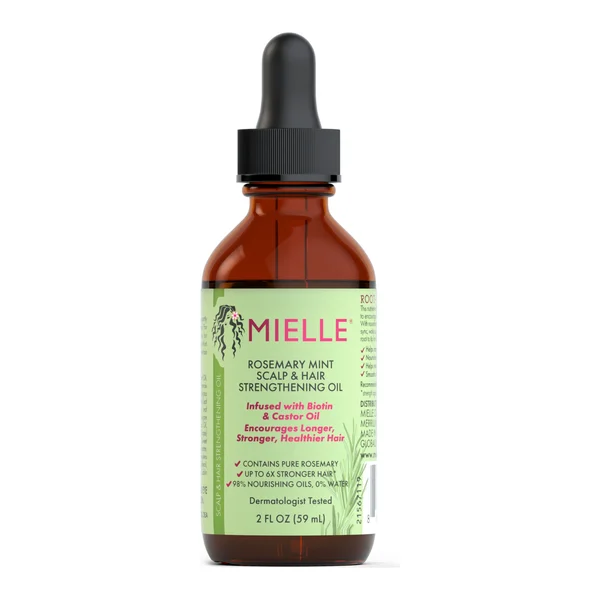
Keep in mind: The evidence for rosemary oil is still thin, and oils can weigh down fine hair or bother an oily scalp.
Check price on Amazon5. Caffeine: a decent minoxidil alternative for some men
Evidence: Limited to moderate (one open-label trial, funded by the manufacturer). In a multicenter trial of 210 men (Dhurat et al., Skin Pharmacology and Physiology, 2017), a 0.2% caffeine leave-in liquid was found not inferior to 5% minoxidil after six months, based on the share of growing hairs. Caveats: the study was open-label, sponsored by the brand that makes the product, and tested a leave-in liquid, not a shampoo. Caffeine shampoos are only on your scalp for a couple of minutes, so their effect is likely smaller.Alpecin Caffeine Shampoo C1
Best for: An easy add-on to your routine · Price range: Budget A German caffeine shampoo from the brand behind the caffeine research. Leave it on for about two minutes. It’s a low-effort extra, not a substitute for minoxidil.Keep in mind: It has to sit on the scalp for a couple of minutes, and the evidence is much weaker than for minoxidil.
Check price on Amazon6. Scalp massage: free (or nearly free), and a little evidence
Evidence: Weak (very small study). A small 2016 study (Koyama et al., Eplasty) found that four minutes of daily scalp massage for 24 weeks increased hair thickness in nine healthy men, likely by gently stretching the cells at the base of the follicle. Nine people is too few to draw firm conclusions, but massage is safe, relaxing, and helps you work oils or treatments into your scalp.HEETA Scalp Massager
Best for: The cheapest habit with some data · Price range: Budget A soft silicone brush you can use dry or in the shower. Gentle circles for a few minutes a day are plenty; don’t scrub hard.Keep in mind: It’s a small helper at best, and you need a few minutes of massage every day for months to see any difference.
Check price on Amazon7. Low-level laser (red light) caps: the drug-free splurge
Evidence: Moderate (several sham-controlled trials). FDA cleared: Yes (as devices). Laser caps shine red light (around 655 nm) on the scalp to stimulate follicles. In a double-blind, sham-controlled trial in women (Lanzafame et al., Lasers in Surgery and Medicine, 2014), a laser helmet used every other day for 16 weeks increased hair counts by about 37% more than a sham device; a similar trial in men showed comparable results. The catch is the price and the commitment: around 25 minutes, three times a week, indefinitely.iRestore Essential Laser Cap
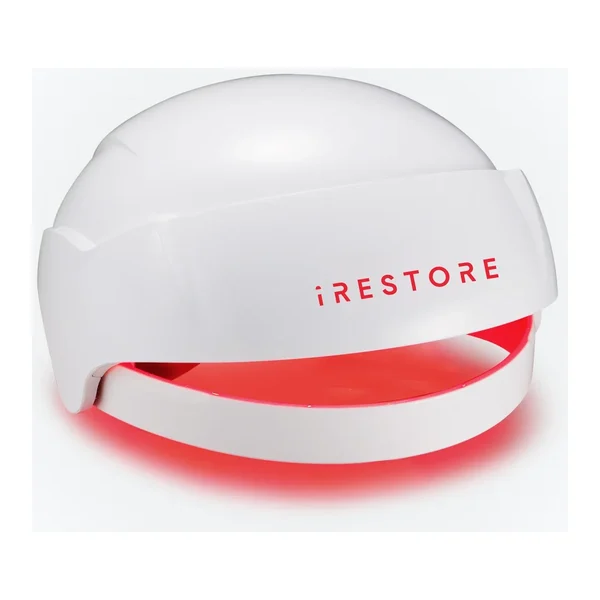
Keep in mind: It’s a big upfront cost, results take at least four to six months of regular use, and they vary a lot from person to person.
Check price on AmazonWhat to skip (or be skeptical of)
- Biotin. Biotin only helps hair if you are truly deficient, which is rare. A 2017 review found no good evidence it helps people with normal levels. High doses can also interfere with lab tests, including heart tests, which the FDA has warned about. Tell your doctor if you take it.
- “Hair growth” gummies and pricey supplements. A few branded supplements have small, company-funded studies, but none have the evidence of minoxidil. If you suspect a nutrient issue, ask for a ferritin, vitamin D and thyroid test instead of buying a $60 bottle.
- Anything promising results in two weeks. Hair grows about half an inch a month, and the growth cycle takes months. Real treatments need 3 to 6 months to show results.
When to see a doctor (and what they can prescribe)
See a doctor or dermatologist if your hair loss is sudden, patchy, itchy or painful, if you see redness or scaling, or if over-the-counter treatment hasn’t helped after six months. They can check for underlying causes and offer prescription options with strong evidence, such as finasteride (for men), spironolactone (for some women), low-dose oral minoxidil (see this 2021 review in JAAD), prescription-strength ketoconazole, or platelet-rich plasma (PRP) injections.A simple, budget routine to start with
- Every day: 5% minoxidil (twice daily for men’s liquid, once daily for foam in women; follow the label).
- Two or three times a week: ketoconazole shampoo, left on for 3 to 5 minutes.
- Optional, a few times a week: a few minutes of scalp massage, with rosemary oil if you like it (on days and spots where you aren’t applying minoxidil, or wash it out first).
- Take photos of your part and crown in the same lighting each month. It’s the easiest way to see slow progress.
FAQ
Does minoxidil work for receding hairlines?
It works best at the crown and for diffuse thinning. It can help the front of the scalp in some people, but results there are less predictable, and the US label only covers the top of the scalp.Can women use the men’s 5% minoxidil?
Women’s 5% foam has the same strength as the men’s foam; the difference is mostly packaging and directions (once daily for women). Talk to your doctor before using the 5% liquid, which is more likely to cause unwanted facial hair.Is rosemary oil as good as minoxidil?
Not based on current evidence. One small study found it similar to 2% minoxidil, but there is no comparison with the stronger 5% minoxidil and no placebo-controlled trial yet.How long until I see results?
Give any treatment at least 3 to 6 months. Hair regrowth is slow, and early shedding with minoxidil is normal.Sources
- Olsen EA et al. A randomized clinical trial of 5% topical minoxidil versus 2% topical minoxidil and placebo in the treatment of androgenetic alopecia in men. J Am Acad Dermatol. 2002;47(3):377-385.
- Blume-Peytavi U et al. A randomized, single-blind trial of 5% minoxidil foam once daily versus 2% minoxidil solution twice daily in the treatment of androgenetic alopecia in women. J Am Acad Dermatol. 2011;65(6):1126-1134.
- Piérard-Franchimont C et al. Ketoconazole shampoo: effect of long-term use in androgenic alopecia. Dermatology. 1998;196(4):474-477.
- Dhurat R et al. A randomized evaluator blinded study of effect of microneedling in androgenetic alopecia: a pilot study. Int J Trichology. 2013;5(1):6-11.
- Panahi Y et al. Rosemary oil vs minoxidil 2% for the treatment of androgenetic alopecia: a randomized comparative trial. Skinmed. 2015;13(1):15-21.
- Dhurat R et al. An open-label randomized multicenter study assessing the noninferiority of a caffeine-based topical liquid 0.2% versus minoxidil 5% solution in male androgenetic alopecia. Skin Pharmacol Physiol. 2017;30(6):298-305.
- Koyama T et al. Standardized scalp massage results in increased hair thickness by inducing stretching forces to dermal papilla cells in the subcutaneous tissue. Eplasty. 2016;16:e8.
- Lanzafame RJ et al. The growth of human scalp hair in females using visible red light laser and LED sources. Lasers Surg Med. 2014;46(8):601-607.
- Randolph M, Tosti A. Oral minoxidil treatment for hair loss: a review of efficacy and safety. J Am Acad Dermatol. 2021;84(3):737-746.
- Soleymani T et al. The infatuation with biotin supplementation: is there truth behind its rising popularity? Skin Appendage Disord. 2017;3(1):1-3.